

08.12.2025
Antibiotic resistance can also make bacteria more vulnerable
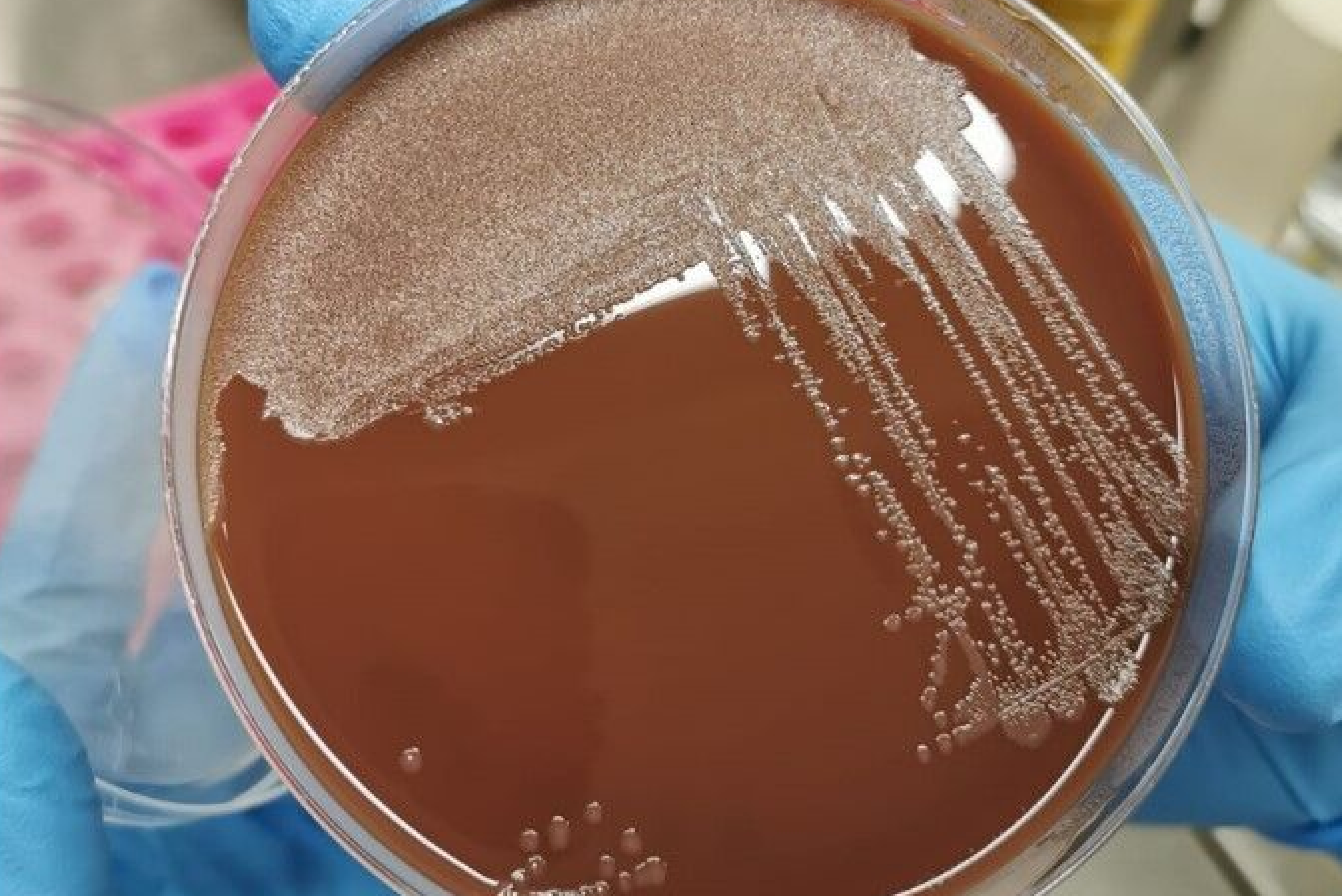
Antibiotic resistance is one of the greatest challenges in modern medicine. A new study now shows that the pathogen Haemophilus influenzae can develop a previously unknown and genetically highly unstable resistance mechanism. This so-called unstable heteroresistance is often not detected by standard resistance tests, which can in the worst case lead to treatment failures. The underlying cause is genomic alterations in the ompP2 gene, which can revert back to their original state within just a few days.
Haemophilus influenzae can cause severe infections such as pneumonia, sepsis, or meningitis. Cephalosporin antibiotics, such as ceftriaxone, are commonly used for treatment. However, the development of resistance can complicate therapy, especially when it goes unnoticed.
Researchers at the Research Center Borstel (FZB), Leibniz Lung Center, and Kiel University (CAU) now demonstrate how rapidly H. influenzae can adapt to changing environmental conditions.
“We observed that specific structural changes in the ompP2 gene make the bacteria temporarily less susceptible to ceftriaxone,” explains first author Dr. Sabine Petersen (FZB). “However, once the antibiotic selection pressure is removed, the bacterial genome reverts to its original state within just a few generations.”
This rapid return to susceptibility shows how dynamic resistance mechanisms can be and why they are sometimes overlooked in diagnostics. “Our findings underline that resistance is not always a permanent trait,” says Prof. Matthias Merker (FZB). “Understanding such reversible genetic processes is crucial to preventing treatment failure and improving the management of infections.”
The study thus provides new insights into the molecular causes of heteroresistance and highlights that structural genomic changes play a previously underappreciated role in the evolution of antibiotic resistance.
Publication:
Petersen S, Diricks M, Utpatel C, Schulenburg H & Merker M. A novel mechanism of unstable heteroresistance via reversible ompP2 mutations in Haemophilus influenzae. International Journal of Infectious Diseases. 2025;161:108178. https://doi.org/10.1016/j.ijid.2025.108178
Kontakt
